
Porsche Bore Scoring Sound

Porsche Bore Scoring Sound
Identifying the Porsche Bore Scoring Problem
The Porsche bore scoring issue is well known among owners, enthusiasts, and mechanics. Porsche models from 1997 through 2008 including the 911, 996, and 997 as well as the Boxster, Cayman, 986, and 987 have all can experience the Porsche bore scoring problem. This issue can cause the Porsche engine to develop an audible tick associated with cylinder bore scoring that can be misdiagnosed as bad lifters or even an exhaust leak. LN Engineering wants to educate current owners and those considering purchasing one of these vehicles as to what Porsche bore scoring sounds like as well as the symptoms of bore scoring in Porsche engines. Identifying Porsche cylinder bore scoring or any potential engine issues early is crucial to prevent further damage and costly repairs.
In this blog we’re covering:
- What is Porsche Bore Scoring
- Porsche Bore Scoring Symptoms
- Porsche Bore Scoring Sounds
- Diagnosing Porsche Bore Scoring
- Preventing Porsche Cylinder Bore Scoring
- Solutions for Porsche Cylinder Bore Scoring
What is Porsche Bore Scoring?
Porsche cylinder bore scoring, sometimes referred to as “bore scoring,” is a potential issue that can affect Porsche vehicles, particularly those with high-performance engines. It is not unique to Porsche but has been a concern for some Porsche owners due to the brand’s association with sports cars and high-performance vehicles.
Porsche cylinder bore scoring occurs when there is excessive friction and wear between the piston rings and the cylinder walls of an engine. This friction can lead to small scratches or scoring on the inner surface of the cylinder walls and similar damage to the pistons. If left unaddressed, cylinder bore scoring can result in reduced engine performance, increased oil consumption, and potentially more severe engine damage.
It’s important to note that while cylinder bore scoring can be a concern in high-performance vehicles like Porsches, it’s not exclusive to this brand. Any engine with a hypereutectic aluminum engine block including those with Lokasil or Alusil blocks can suffer from cylinder bore scoring. Factors such as maintenance and driving habits play a significant role in the occurrence of cylinder bore scoring. Regular maintenance and following the recommendations we recommend are essential in preventing and addressing this issue.
Learn more about What Porsche Cylinder Bore Scoring Is.
What are the symptoms of Porsche Bore Scoring?
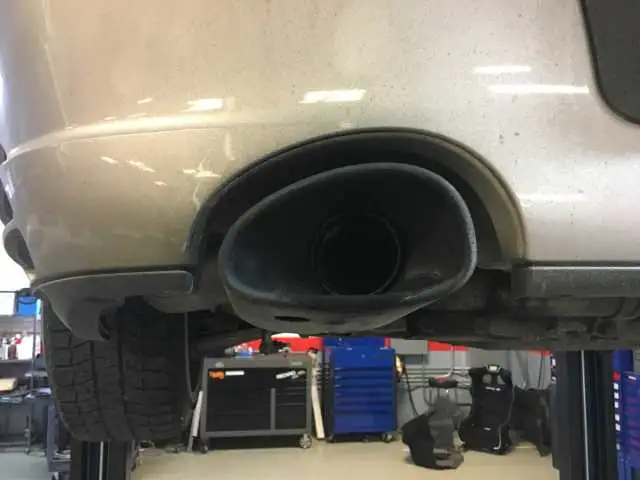
There are many contributing factors to the Porsche bore scoring issue. However, there are some tell tell symptoms that indicate your engine may be suffering from cylinder bore scoring that include:
- Audible Tick
- Increase in Oil Consumption
- Sooty Tailpipes
- Soot in the Engine Oil
- Oily/Sooty Bumper Cover
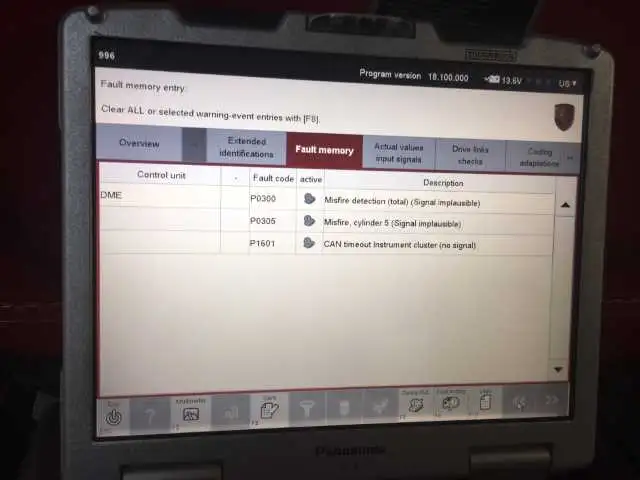
- Cylinder Misfires
Another tell-tale sign of Porsche bore scoring are sooty tailpipes. To be specific, the exhaust tip associated with bank 2 cylinders end up having more soot on it than the bank 1 exhaust tip. On a 996/997, the driver’s side exhaust tip being sootier is often associated with scored cylinders on cylinders 4-6 (bank 2). The bumper cover will also often have oily/sooty residue on it if oil consumption is excessive. (shown above, right)
The audible Porsche bore scoring sound, or tick, is the earliest indicator that your engine might have scored cylinder bores, even before any other symptoms are present. As Porsche bore scoring progresses, the symptoms will worsen proportional to the severity of the failure.
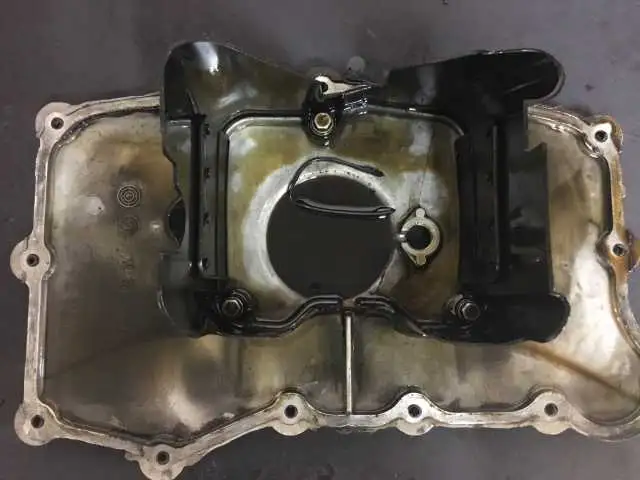
Here are additional photos showing other symptoms of Porsche cylinder bore scoring:
Is That Ticking Sound Bore Scoring?
The Porsche bore scoring sound, or tick, will be one of the first symptoms an engine suffering from scored cylinder bores will experience. This noise is caused by an increase in the piston to cylinder clearance as the cylinder bore and piston skirts wear. The increased clearance creates “piston slap,” and in its early stages, the sound that accompanies cylinder bore scoring can be mistaken as a tick caused by a bad lifter or even an exhaust leak. Before you replace the lifters on any Porsche engine susceptible to the bore scoring problem, it is important to first rule out that you don’t have a scored cylinder bore. In the videos below you can clearly hear the Porsche bore scoring sound, in this case we have a Porsche 911 C4S engine with severely scored cylinder bores:
Step 1: Use this audio reference to confirm if your Porsche has bore scoring. If you’re unsure, consider a borescope inspection or used oil analysis to check for elevated aluminum content.
Step 2:If your engine is not yet affected, switch to Driven DT40 or DI40. These oils contain elevatedZDDP and molybdenum additives to protect the cylinder bores and piston skirts.
Step 3:If your engine is already showing signs of bore scoring, switch to Driven DT50 or DI50 immediately. You should also diagnose the engine for contributing issues like fuel wash, injector faults, or vacuum leaks.
Step 4: If oil consumption exceeds 1.5 liters per 1,000 kilometers (~1.6 quarts per 620 miles), it’s time to stop driving and plan for a rebuild.
How do you diagnose Porsche Bore Scoring?
Typically the best way to determine if your Porsche engine is suffering from bore scoring is to have the cylinders checked with a bore scope to verify if the engine has signs of damage, even if you don’t have any symptoms. It is critical to bore scope cylinders 4 through 6 on bank 2 from the sump with each piston at TDC, as cylinder bore scoring starts at the bottom of the cylinder. Checking for Porsche bore scoring through the spark plug with the piston parked at BDC often will not show there is a failure until the engine has multiple symptoms and the bore scoring has gotten significantly worse. Check out our blog post on how to properly bore scope your porsche engine for cylinder bore scoring.
Aside from the obvious symptoms of Porsche bore scoring or inspection with a bore scope, used oil analysis is a valuable tool that can identify potential engine problems. If carried out at every oil change, a healthy engine will maintain similar levels of wear materials from oil change to oil change, but when there is a sudden increase in wear and contaminants such as iron, aluminum, and silicon, then you know you might have early signs of bore scoring.
Is bore scoring something I need to worry about on Gen 2 997 and 987 models?
Unfortunately, yes, but Gen 2 997 and 987 bore scoring is not anywhere near as prevalent as on earlier M96 and M97 engines with Lokasil cylinder bores. Not until you get to the 991.2 and 718 did Porsche go away from Alusil cylinders where you do you not need to worry cylinder bore scoring. That means it is important to have your cylinder bores scoped as part of a Porsche pre-purchase inspection. Symptoms of bore scoring on Gen 2 997, 987 and later models including the 991.1 and 981 are similar to what you would expect on the 996 or 997.1, but it can be harderto hear over the sound of the direct fuel injection components as they are much noiser, so scoping or used oil analysis should always be used to verify potential engine issues.
How do you prevent Porsche Bore Scoring?
It is important to correct any problems with an engine that might cause or are contributing to Porsche bore scoring. Although it may not be possible to prevent 100% of all Porsche bore scoring cases, it is certainly possible to reduce the likelihood of a failure by following a few easy steps. We have outlined common issues that can be addressed through preventative maintenance that all Porsche Boxster, Cayman, and 911 owners should know about, which first starts by using a quality engine oil with lots of moly such as Driven DT40 with an oil change interval of 6 months or 5,000 miles, whichever comes first.
Recommended Oils for Porsche Engines Prone to Bore Scoring
| Oil | ZDDP | Moly | Best Use Case | Provides LSPI Protection | Replaces Factory Porsche Spec |
|---|---|---|---|---|---|
| Driven DT40 | Very High | Very High | Preventative Maintenance | ❌ | A40 |
| Driven DT50 | Very High | Very High | Engines Already Showing Scoring | ❌ | ❌ |
| Driven DI40 | Normal | Very High | Preventative Maintenance | ✔️ | C40 |
| Driven DI50 | Normal | Very High | Engines Already Showing Scoring | ✔️ | ❌ |
What are the costs associated with fixing Porsche Bore Scoring?
In Porsche 911 996 and 997 models, cylinder bore scoring can result in engine damage requiring engine rebuild or replacement. It is crucial to comprehend the costs linked with addressing this issue, including the expenses of repairing the cylinder bore scoring and rebuilding the engine of these car models. More information about the costs associated with fixing Porsche bore scoring can be found at Understanding Cylinder Bore Scoring Repair Costs for Porsche 911 996 and 997 Models.
How do you fix Porsche Bore Scoring?
There are effective solutions to the Porsche bore scoring issue. If you have any, or worst case, all of the associated Porsche bore scoring symptoms listed above, your Porsche Boxster, Cayman, or 911 engine unfortunately is already likely to be suffering from cylinder bore scoring and will need to be rebuilt to correct this type of failure. Depending on the severity of the symptoms, you may be able to slow down the progression of bore scoring in your Porsche engine and continue driving the car for some time by using a thicker oil like Driven FR50 and by changing your oil no less than every 3 months or 3,000 miles.
LN Engineering pioneered the Nickies process allowing for increased displacement and performance using custom sleeves like the aluminum nikasil liners used in Porsche’s 996 and 997 GT3, Turbo, and GT2 models to correct for the cylinder bore scoring as well as other cylinder failures associated with the M96 and M97 engines used in Porsche Boxster, Cayman, and 911 models. Check out our blog on Porsche Bore Scoring Fixes and watch the video below to learn more about our Nickies block sleeving process.
Contact our team for help with diagnosing Porsche Bore Scoring issues today!
Porsche Bore Scoring – Frequently Asked Questions
What does bore scoring sound like in a Porsche?
Bore scoring often sounds like a rhythmic ticking or knocking noise, especially at idle when the engine is cold. It can resemble lifter or injector noise, but is typically deeper and more metallic, and is often misdiagnosed as an exhaust leak.
What are the symptoms of bore scoring?
Common symptoms include ticking noises from the engine, excessive oil consumption, sooty tailpipes (especially on the driver’s side), visible smoke, and piston slap. The engine may also have misfires or show signs of wear in used oil analysis.
How can I confirm bore scoring in my Porsche?
You can confirm bore scoring with a borescope inspection of bank 2 (cylinders 4-6) or by performing a used oil analysis to look for elevated levels of aluminum, iron, or silicon. These are indicators of excessive wear or cylinder wall damage.
What oil should I use if I don’t have bore scoring?
If no scoring is present, use Driven DT40 or DI40. These oils contain higher levels of ZDDP anti-wear additives and molybdenum friction modifiers that help reduce piston skirt and bore wear in M96/M97 engines.
What oil should I use if bore scoring is already present?
If scoring is detected, switch to Driven DT50 or DI50. These higher viscosity oils offer increased protection and can slow progression of scoring when combined with fixing contributing issues like over-fueling or vacuum leaks.
Can I still drive my Porsche if it has bore scoring?
Yes, but only if oil consumption is under 1.5 liters per 1,000 kilometers (approximately 1.6 quarts per 620 miles). If it’s above that threshold, further driving may result in catastrophic engine failure and you should plan for a rebuild.
Which Porsche models are affected by bore scoring?
Bore scoring is most commonly found in Porsche 996 and 997.1 models with the M96/M97 engines, as well as in Boxster and Cayman models produced between 1997 and 2008 with Lokasil or Alusil bores.
What causes bore scoring in Porsche engines?
Bore scoring is caused by excessive piston-to-cylinder clearance, lack of lubrication, fuel wash, or piston slap. These conditions reduce oil film strength and allow direct contact between metal surfaces, leading to accelerated wear.
How can I extend the life of a scored engine?
You can extend the life of a scored engine by correcting any fuel or vacuum issues, switching to a thicker oil like Driven DT50/DI50, and monitoring oil consumption. Regular used oil analysis and compression tests are also recommended.