
Engine Crankcase Housing Cylinder Blocks

Engine Crankcase Housing Cylinder Blocks
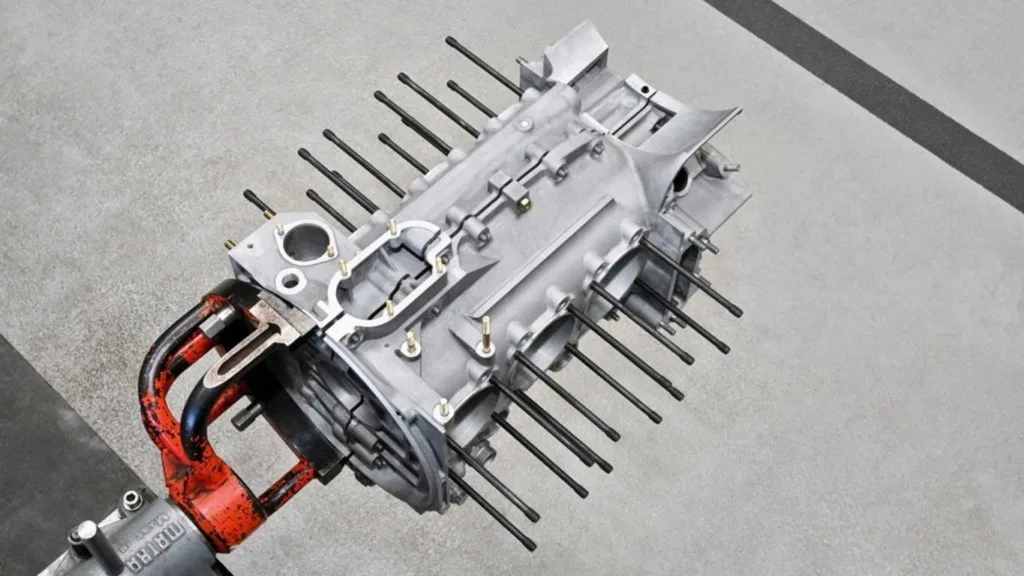
New Replacement Genuine Porsche Aluminum and Magnesium Engine Crankcase Housings (Cylinder Blocks)
In 2023, Porsche announced that it is now offering new replacement crankcases for aircooled Porsche 911 models with 2.0, 2.2, 2.4, and 2.7 liter engines. Like the originals, these newest Porsche crankcases are made of magnesium, which is a lightweight and strong metal that is also used in the construction of modern Porsche engines and other components. These new replacement magnesium crankcases are available for 1968-1976 Porsche 911s.
The new Porsche magnesium crankcases are compatible with the following models:
- 1968-1976 Porsche 911
- 1969-1971 Porsche 911E
- 1970-1971 Porsche 911S
- 1972-1974 Porsche 911 Carrera
- 1973-1974 Porsche 911 Carrera RS
- 1975-1976 Porsche 911 Carrera 2.7
- 1976 Porsche 911 Turbo
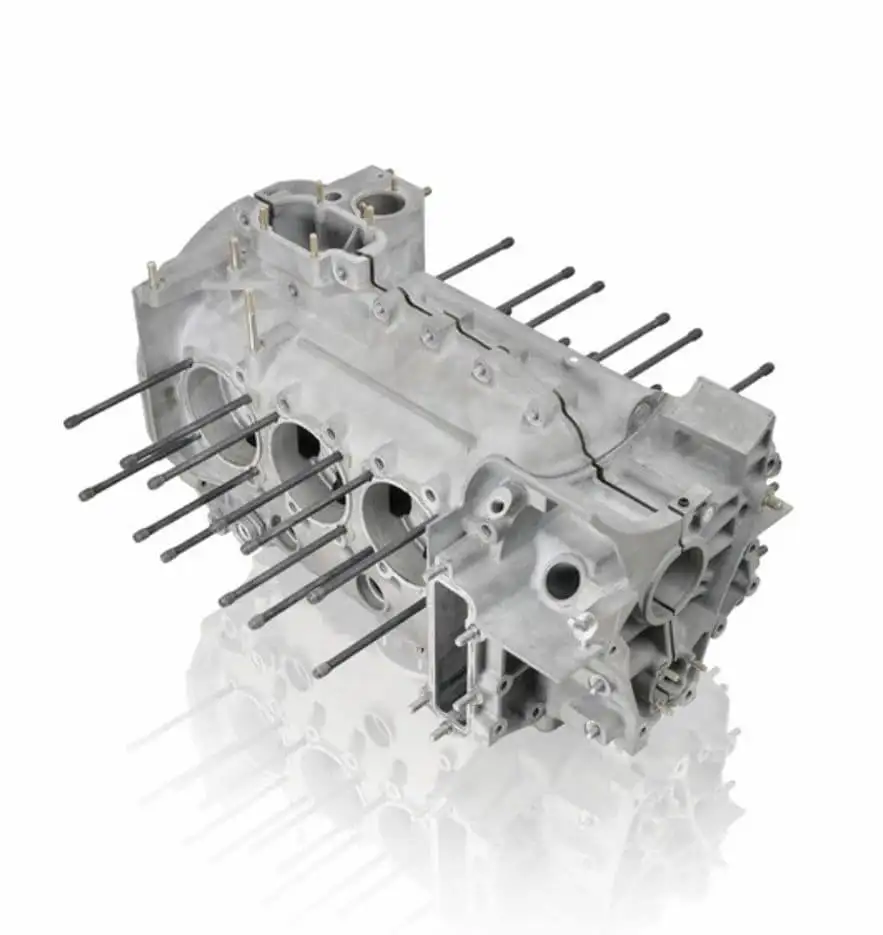
The original crankcases in these cars are prone to cracking and corrosion over time. Previously, the only options for repairing these parts were to attempt to weld small cracks or use secondhand parts from old engines. This is because magnesium is a reactive metal that can be corroded by water and other elements. These new replacement Porsche crankcases are made from a newer and more sophisticated magnesium alloy that is less prone to corrosion. In many cases, repairing and restoring an original engine crankcase can be very costly and in most instances, using a new replacement Genuine Porsche crankcase is a no-brainer over reconditioning the existing block. These new crankcases are cast like the originals then CNC machined to exact tolerances, which ensures that they are a perfect replacement for your original engine block. They also go through extensive quality control checks including pressure testing to ensure that they are free of manufacturing defects.
Likewise, the reintroduction of aluminum crankcases for larger-engine Porsche 911s from the 1990s in 2021 involved a meticulous process of gathering information and utilizing advanced manufacturing techniques. Original production blueprints were incomplete, necessitating the reproduction of the Porsche 962 Group C racing engine as a reference source. Experts at Porsche Classic painstakingly reviewed historical documents, consulted with former and current employees, and meticulously analyzed spare parts to glean essential design details. The knowledge acquired from these efforts has been instrumental in ensuring the precise replication of the aluminum crankcases, mirroring the quality and performance of their original counterparts.
As part of the development process for these parts, Porsche Classic built a prototype engine featuring a new replacement crankcase. The engine was run for several weeks and extensively tested. This included used oil analysis followed by a complete teardown where every component was inspected and measured as they would have been originally evaluated over 50 years ago and as is done with current production models.
“This reissue closes another gap in our range of spare parts, making it possible to build completely new engines for most classic 911 models,” says Ulrike Lutz, Director of Porsche Classic. “There’s a lot of demand from our customers for true-to-original engine components like this.”
When recreating Porsche parts, Porsche Classic meticulously adheres to the most advanced and refined iteration of the original series production part. Each recreated crankcase bears a unique blank number identifying its specific design iteration. Furthermore, the recreated crankcases are distinctly marked with their corresponding purchase part number.
Cutting-edge manufacturing processes ensuring unyielding quality
The manufacturing process of the aluminum crankcase begins with casting, guided by the precise design specifications provided by CAD data. At a dedicated facility, specialized molds are meticulously crafted, and intricate cores are formed using sand bound by resin. Upon completion of the casting process, the cores are removed to unveil the cast crankcase, paving the way for subsequent machining. Employing a sophisticated five-axis CNC machine, the cast crankcase undergoes a meticulous machining process involving over 50 distinct cutting, drilling, and milling tools. To ensure the utmost precision and preserve the integrity of the material, the machining process removes minimal material, typically around three to four hundredths of a millimeter for milled surfaces. As production progresses, stringent quality control measures are rigorously implemented. Each machined crankcase undergoes individual inspection using 3D measuring probes, and a 3D coordinate measuring machine meticulously compares the machined components against the original design data. This comprehensive quality control regimen encompasses over 1,300 critical dimensions, ensuring that every crankcase meets the exacting standards of Porsche Classic.
New replacement Genuine Porsche Aluminum and Magnesium engine crankcase housings offer several benefits over the originals, including:
- Improved durability and corrosion resistance
- Precision CNC machining for a perfect fit
- Pressure testing to ensure quality
If you own an aircooled Porsche 911 and are planning an engine rebuild or performance engine build, we highly recommend that you consider replacing your original crankcase with one of these new Porsche Classic crankcases. This will help to ensure that your engine runs smoothly and reliably for many years to come while preserving your original numbers matching engine case for resale value.
The new replacement Genuine Porsche engine crankcase housings offered by Porsche Classic Parts are now available for purchase from LN Engineering. Typical lead time is about three weeks as these have to be imported to the US from Porsche Germany.