
Porsche Cylinder Bore Scoping

Porsche Cylinder Bore Scoping
How to bore scope your Porsche engine for cylinder bore scoring
Whether you are looking to purchase a Boxster, Cayman, or 911 or already own one, checking a Porsche engine for bore scoring can be best accomplished by bore scoping each cylinder. In most engines, typically this is carried out by removing the spark plug and using a bore scope to inspect the cylinder walls, however bore scoping a Porsche engine this way is often inconclusive. Specifically, with the hypereutectic Al-Si Lokasil engine block used by Porsche in the M96 and M97 engine from 1997 through 2008, the cylinder bores should be bore scoped from the sump to inspect the bottom of the cylinder bore rather than through the spark plug hole.
What is bore scoping?
When bore scoring occurs, in most cases it will begin in cylinders 4-6 on bank 2, so these will be the cylinders that need to be bore scoped in a Porsche M96 or M97 engine. As mentioned earlier, not until there is significant engine damage will you be able to see any cylinder bore scoring by inspecting each cylinder bore through the spark plug hole with the piston at BDC. In these engines, it is best to put the piston at TDC (top dead center) and inspect that cylinder using a bore scope through the sump. We are specifically looking for scoring at 12- and 6-o’clock at the bottom of each cylinder bore by using a bore scope as these are the two areas that see the most pressure from the piston skirt as the piston rocks at change over (when the piston stops and changes direction).
Which Porsche models should be bore scoped?
As certain Porsche models are more susceptible to cylinder bore scoring than others, it is very important to bore scope these engines to determine if you have bore scoring. The most common engines that need to be bore scoped for bore scoring include the Porsche 911 3.6 liter M96.03, M96.05, and 3.8 liter M97.01 engines. Bore scoring in the 2006-2008 3.4 M97.21 Porsche Cayman engine as well as in the 3.4 M97.22 engine used in 2007-2008 Boxster S models is also very common, so having any of these engines bore scoped is a must. Below are all the models that need to be bore scoped for cylinder bore scoring:
- Porsche 996 bore scoping
- Porsche 997 bore scoping
- Porsche 911 bore scoping
- Porsche 987 bore scoping
- Cayman S bore scoping
- Boxster S bore scoping (3.4 M97.22 engine only)
Base Boxster and Cayman models with a 2.5 or 2.7 liter engine as well as the Boxster S 3.2 engine are unlikely to suffer from cylinder bore scoring, so bore scoping of these engines is not necessary unless there are obvious symptoms such as sooty tail pipes, piston slap, cylinder misfires, and/or high oil consumption occur.
Porsche models with Alusil blocks including Panamera, Cayenne, Macan, as well as Boxster, Cayman, and 911s with the 9A1/MA1 engine should also be bore scoped to check for bore scoring, however with these engines inspection through the spark plug hole with the piston at BDC is the only option.
991.2 and 718 4-cylinder models utilize a SUMEbore coating on the cylinder walls making these models less likely to suffer from bore scoring, so bore scoping these engines is not necessary.
Why is bore scoping your Porsche engine so important?
Prior to purchasing any Porsche with a Lokasil or Alusil engine block, it’s critical that you have the cylinder bores bore scoped for cylinder bore scoring. Once cylinder bore scoring has started, there is nothing you can do to stop it or reverse it and will require a complete engine rebuild to correct for this failure. The expense of bore scoping your Porsche engine during a PPI (pre-purchase inspection) is money well spent considering the cost of an engine rebuild can run tens of thousands of dollars.
If you already own a Porsche model that is susceptible to bore scoring, having your cylinder bores scoped is also very important to determine if your engine is healthy, especially if you plan on doing significant upgrades or preventative maintenance to the vehicle. Knowing the condition of your engine prior to carrying out any major work is a wise move. After your cylinders have been properly scoped and they check out ok, it’s important to take the following steps to help reduce your chances of having bore scoring in your Porsche engine.
What is the best way to bore scope the cylinders in my Porsche M96 or M97 engine?
Jake Raby from Flat 6 Innovations has put together a two part video series on his Rennvision YouTube channel that provides an excellent guide on how to properly bore scope the Lokasil cylinders on the M96/M97 engine found in 1997-2008 Porsche Boxster, Cayman, or 911 models for cylinder bore scoring, as shown below:
How well does the bore scope pick up cylinder bore scoring?
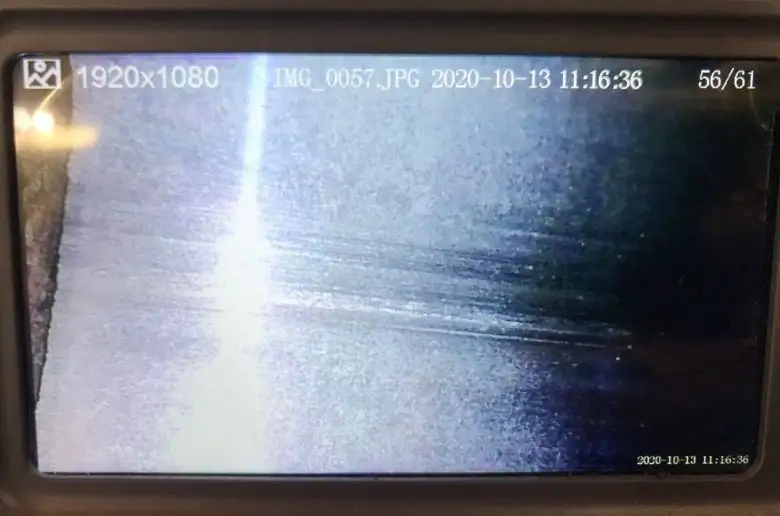
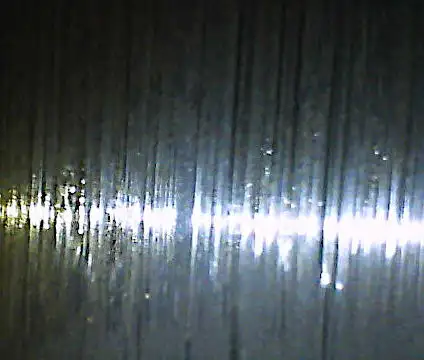
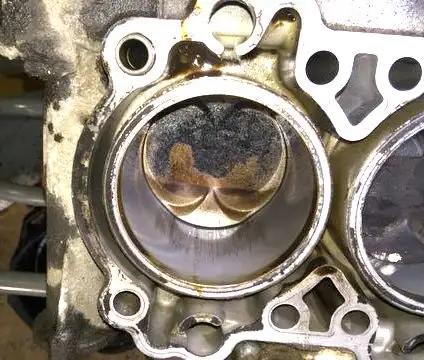
Here is an example of bore scoring captured using a bore scope and the corresponding cylinder once the engine was removed and cylinder head removed. As you can see, the bore scope will often make the problem look much worse than how bad it really is, however it should be very clear when bore scoping the engine if you do indeed have cylinder bore scoring. With Lokasil and Alusil cylinder bores there should be no visible cross-hatch nor any visible lines or scratches when viewed through a bore scope.
What other ways can you identify bore scoring if you do not have a bore scope?
Although using a bore scope to check for bore scoring is the best way to check to see if you have bore scoring, there are several other ways you can identify if your 996, 997, or 987 engine has bore scoring:
- Sooty Tail Pipes – On a 911, often the driver’s side tail pipe will be sooty while the passenger’s side will appear to be normal. The driver’s side tailpipe corresponds to cylinder bank 2 (4-6) which are the cylinders that always score first. Sooty tail pipes may also indicate that your engine is running rich which can contribute to cylinder bore scoring as overly rich mixtures can wash down the cylinder walls and reduce the effectiveness of the oil film required to properly lubricate and protect the pistons and cylinders.
- Piston Slap – Many engines have been misdiagnosed in the past as having bad lifters when in fact the engine had bore scoring. What is being heard is piston slap from increased piston to cylinder clearance that causes excess piston rock when bore scoring occurs. That is why we recommend bore scoping the cylinders at the bottom with the piston parked at TDC (top dead center).
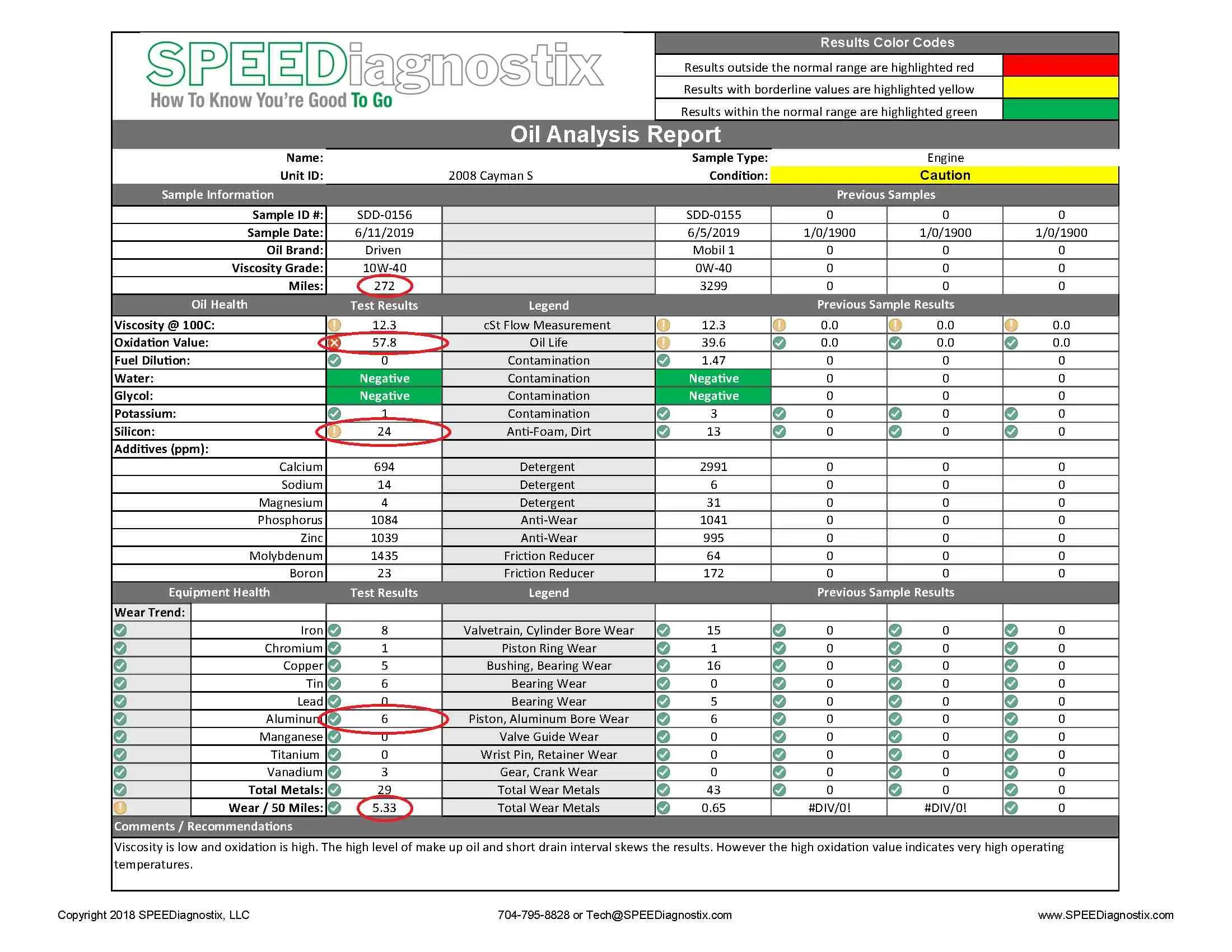
- Used Oil Analysis – Increased levels of aluminum and silicon in the oil come from wear of the cylinder walls. Beware some labs will misdiagnose increased silicon levels as a dirty air filter when in fact it is bore scoring, so if you have increased aluminum and silicon wear metals in your oil, it is a good idea to have your cylinder bores scoped for damage. Here is an example of the results from our used oil analysis from an engine with cylinder bore scoring:
- Oil Consumption – If your engine starts consuming oil and the rate of change increases rapidly and you have verified that you do not have an oil leak, then you’re likely burning oil due to bore scoring. Engines will not smoke even if they are consuming several quarts of oil per 1000 miles, so you will not have any obvious signs that the engine is burning oil until you get a low oil warning and find that you are having to add oil more often than is normal for your engine.
- Cylinder Misfires – Once oil consumption becomes excessive, it’s common for oil to foul the spark plugs and can cause occasional misfires or even detonation as the oil burnt can result in carbon deposits on the piston crown which effectively increases the compression ratio of the engine.
- Dirty Engine Oil – Engines that have been burning oil will end up with soot in the oil which you can see if you drain the oil then drop the sump plate. You’ll see the carbon sediment for lack of a better description in the bottom of the oil pan. Soot in the oil causes timing chain wear and can lead to stretched and even broken timing chains if an engine is run long enough in these conditions.
What can you do if you find cylinder scoring when you bore scope your Porsche engine?
If you are bore scoping your Porsche 996, bore scoping your Porsche 997, bore scoping your Porsche 911, bore scoping your Porsche 987, or bore scoping your Cayman S and discover that you have bore scoring, we can help. If scoring is in the early stages, it is important to make sure you correct any issues with the engine that might be contributing to the bore scoring, if you intend to keep driving the car. Although it is just a stop gap, switching to an oil like Driven DT40 with increased moly content or even using a thicker oil in your engine such as Driven’s DT50 may help to slow down the progression of bore scoring. This will give you time to decide what you want to do with your engine. Whether you decide to do the engine rebuild yourself or have a shop build you a new engine, LN Engineering can provide all the parts you need to rebuild and upgrade your engine to prevent future failures while greatly improving the performance and reliability of your 1997-2008 Porsche Boxster, Cayman, or 911 vehicle utilizing our Nickies sleeves which address all known issues with the Lokasil cylinders found in M96 and M97 engines. Likewise if you find bore scoring in your Porsche Boxster, Cayman, or 911’s 9A1/MA1 engine or any other Porsche engine with an Alusil block after bore scoping your cylinders, LN Engineering has proven solutions for all Porsche engines with Alusil engine blocks including 924/928/968, Cayenne, Panamera, and Macan.
More info about LN Engineering solutions to fix Porsche M96/M97 engines with scored cylinder bores
More info about LN Engineering solutions to fix bore scoring in Porsche 9A1/MA1 engines
Contact our team to help avoid Porsche cylinder bore scoring today!