
The Ultimate M96 M97 Engine Rebuild Guide
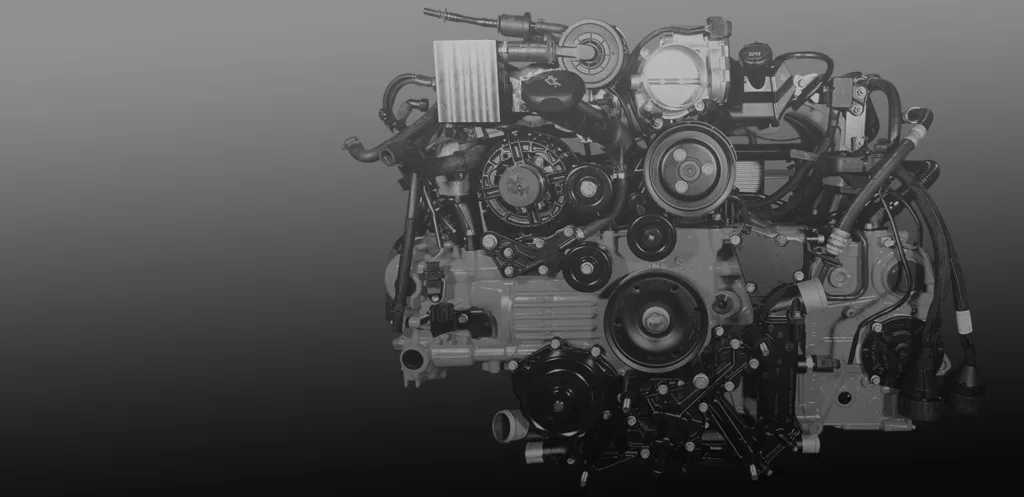
The Ultimate M96 M97 Engine Rebuild Guide
1997-2008 Porsche Boxster, Cayman, and 911 M96/M97 Engines
The goal of a proper Porsche M96/M97 rebuild is not simply to replace rings, bearings, seals, and head gaskets. The goal is to identify what failed, correct the cylinder problem, inspect the supporting systems, replace known weak points, and prepare the engine so it can be assembled, installed, broken in, and maintained successfully.
Nickies solve the cylinder problem. The complete engine package addresses the rest.
Table of contents
- The Ultimate M96 M97 Engine Rebuild Guide
- 1. Models Covered and Complete M96/M97 Engine Code Table
- 2. Why You Cannot Cut Corners on an M96/M97 Rebuild
- 3. Who Should Rebuild an M96/M97 Engine?
- 4. Before the Engine Comes Out: Pre-Qualification and Core Evaluation
- 5. Cylinder Failures: Bore Scoring, D-Chunk, Slipped Sleeves, Taper, and Ovality
- 6. Nickies Cylinder Solutions
- 7. Pistons, Rings, Displacement Options, Deck Height, and Custom Head Gaskets
- 8. M96/M97 Cylinder Head Versions, Valve Sizes, and Known Issues
- 9. Cylinder Head Part Numbers, Crosses, and PET Revisions
- 10. IMS
- 11. Engine Rebuild Kits and Minimum Rebuild Contents
- 12. ARP Hardware and Fasteners
- 13. Connecting Rods and Rod Bolts
- 14. Coated Bearings
- 15. Oil System Upgrades
- 16. AOS, Crankcase Vacuum, and Fuel Trim Control
- 17. Cooling, Radiators, Water Pump, and Temperature Control
- 18. RMS, Flywheel, Clutch, and Transmission-Side Service
- 19. Billet, FSI, and Internal Reliability Upgrades
- 20. Airflow and Intake Upgrades, Including IPD Plenums
- 21. Machine Shop and Build-Prep Services
- 22. Parts That Should Not Be Reused on a Fresh M96/M97 Engine
- 23. Installation Requirements: Fuel, Sensors, Intake, Cooling, and ECU Reset
- 24. Break-In, Oil Selection, and the First 7,500 Miles
- 25. Minimum Street Rebuild Checklist
- 26. Track-Capable Rebuild Checklist
- 27. Core Return, Block Shipping, and Documentation
- 28. Additional Technical Reading from Flat 6 Innovations
- 29. How to Start an M96/M97 Rebuild with LN Engineering
1. Models Covered and Complete M96/M97 Engine Code Table
This guide applies to naturally aspirated 1997-2008 Porsche Boxster, Cayman, and 911 models equipped with M96 and M97 engines. It does not apply to GT3, Turbo, or GT2 models using Mezger-based engines, and it does not apply to later 9A1/MA1 engines where the intermediate shaft was eliminated.
| Engine Code | Displacement | Applications |
|---|---|---|
| M96.20 | 2.5L | 1997-1999 Boxster |
| M96.22 | 2.7L | 2000-2002 Boxster |
| M96.23 | 2.7L | 2003-2004 Boxster |
| M97.20 | 2.7L | 2007-2008 Boxster, 2008 Boxster Limited Edition, 2007-2008 Cayman |
| M96.21 | 3.2L | 2000-2002 Boxster S |
| M96.24 | 3.2L | 2003-2004 Boxster S, 2004 Boxster S Special Edition |
| M96.01 | 3.4L | 1999 Carrera, Carrera 4 |
| M96.02 | 3.4L | 1999 Carrera, Carrera 4 |
| M96.04 | 3.4L | 2000-2001 Carrera, Carrera 4 |
| M97.21 | 3.4L | 2007-2008 Boxster S, 2008 Boxster S Limited Edition, 2006-2008 Cayman S |
| M96.03 | 3.6L | 2002-2005 Carrera (996), 2002-2004 Carrera 4, 2002-2005 Carrera 4S |
| M96.05 | 3.6L | 2005-2008 Carrera (997), 2006-2008 Carrera 4, 2007-2008 Targa 4 |
| M97.01 | 3.8L | 2005-2008 Carrera S, 2006-2008 Carrera 4S, 2007-2008 Targa 4S |
2. Why You Cannot Cut Corners on an M96/M97 Rebuild
The M96/M97 engine family can fail in more than one way. Some failures begin in the cylinder system, such as bore scoring, D-chunk cracking, slipped sleeves, taper, or ovality. Others begin in supporting systems: IMS bearing deterioration, intermediate shaft sprocket movement, poor oil control, fuel enrichment, injector problems, AOS failure, vacuum leaks, cooling system air pockets, or reused sensors and ancillaries that no longer operate correctly.
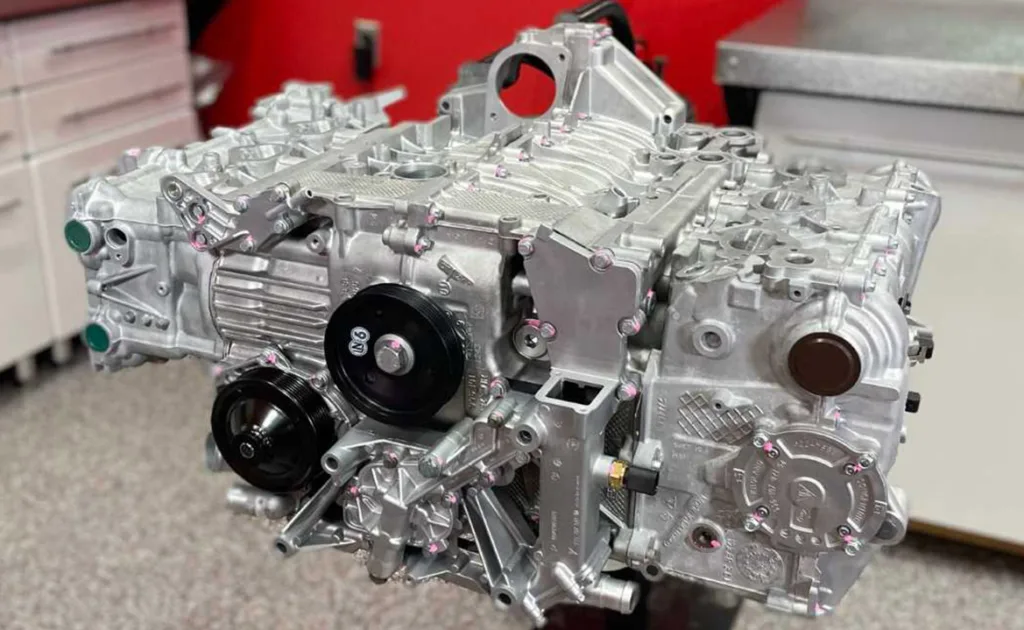
A proper rebuild should answer four questions before the engine is assembled: what failed, what must be measured, what should be replaced, and what must be upgraded for the intended use. A street rebuild, a performance street rebuild, and a track-capable rebuild are not the same package. Any builder who claims they can re-ring an engine successfully or repair single cylinders, just to give two examples, should not be trusted.
The minimum rebuild should not be defined by the shortest parts list. It should be defined by what is required to correct the original failure, prevent repeat failure, and support the way the car will actually be used.
3. Who Should Rebuild an M96/M97 Engine?
There is more than one way to approach an M96/M97 rebuild, but the required level of planning, tooling, measurement, cleanliness, documentation, and installation discipline should not be underestimated.
DIY builders
A DIY rebuild can be appropriate for an experienced engine builder who has the correct Porsche documentation, measuring tools, clean assembly practices, and the willingness to outsource specialized operations such as Nickies cylinder repair, cylinder head reconditioning, crankshaft inspection, balancing, piston ring fitting, and other machine-shop work. LN Engineering offers educational resources from The Knowledge Gruppe to help builders understand M9X procedures, specifications, and assembly details including DVDs, workbooks, and torque spec books.
Related LN Engineering resources: The Knowledge Gruppe
LN/FSI Certified Shop
Flat 6 Innovations realizes that they can’t rebuild every Porsche engine out there. To give Porsche owners another sound option, LN/FSI IMS Solution Certified Installers have been trained to follow the directives developed by LN Engineering and Flat 6 Innovations. Many of our certified installers have received hands on training from The Knowledge Gruppe and are experienced in correctly rebuilding M96 and M97 engines, meaning you are in good hands.
Related LN Engineering resources: IMS Solution Certified Installers
Independent Porsche shops
If you happen to be in an area without an IMS Solution Certified Installers, an experienced independent Porsche shop can be a strong option when the shop understands M96/M97 engine and has the resources to be able to carry out an engine rebuild. Not all Porsche shops are equipped to rebuild Porsche engines. If you don’t have an independent Porsche shop you already work with, we suggest reaching out to your local PCA region for recommendations, or reach out to us, and we’ll try to connect you with one.
4. Before the Engine Comes Out: Pre-Qualification and Core Evaluation
A proper M96/M97 rebuild begins before the engine is removed. The vehicle should be evaluated as a complete system because the rebuilt engine will be affected by the condition of the fuel system, intake system, cooling system, exhaust system, wiring, sensors, DME adaptations, over-rev history, and ancillary components.
- Confirm VIN, mileage, operating hours, engine code, and transmission type.
- Test drive the vehicle when safe and possible; document noises, vibration, clutch feel, brake feel, transmission behavior, cooling fan operation, A/C function, and drivability issues.
- Interrogate the DME with PIWIS, Durametric, Autologic, or equivalent Porsche-capable diagnostic equipment.
- Record over-rev ranges, hour marks, camshaft deviation values, fault codes, OBD readiness, MAF data, fuel trim values, O2 sensor activity, crank sensor data, throttle position data, and other actual values.
- Inspect for aftermarket cold-air intakes, aftermarket exhaust components, aftermarket software, short shifters, solid or semi-solid mounts, radiator screens, body kits, suspension modifications, and other modifications that may affect engine operation or warranty decisions.
- Inspect for intermix, coolant residue, oil contamination, oil leaks, coolant leaks, damaged coolant tank, degraded hoses, damaged mounts, damaged CV shafts, crash damage, sump damage, and foreign debris.
- Drop the sump plate where appropriate and inspect the oil filter and filter pleats for debris. Photograph the sump and filter findings.
- Document the entire process with photos and video before disassembly and before the engine or block is shipped.
This step protects the shop, protects the customer, and prevents the new build from inheriting the same conditions that damaged the previous engine.
5. Cylinder Failures: Bore Scoring, D-Chunk, Slipped Sleeves, Taper, and Ovality
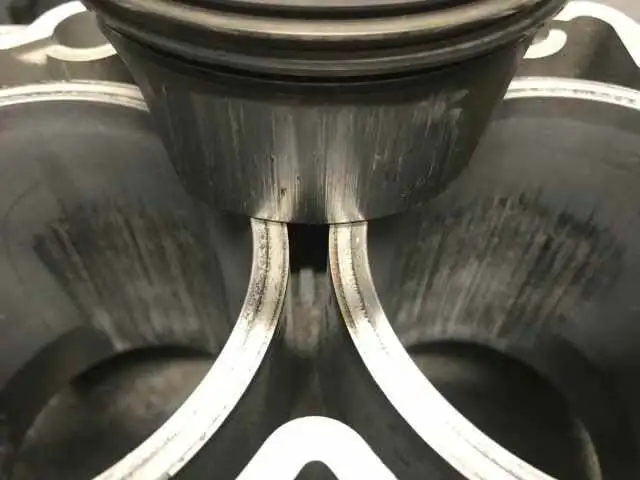
Cylinder failure is one of the central reasons M96/M97 engines are rebuilt. Common failure modes include bore scoring, D-chunk cracking, slipped sleeves, cylinder taper, cylinder ovality, cracked cylinders, and failures related to the breakdown of the original aluminum-silicon cylinder system.
A visual inspection alone is not enough. Bores can be out-of-round even when no scoring or visible cracking is present. A cylinder that looks serviceable can still have taper, ovality, or surface condition problems that prevent ring seal and make a basic re-ring risky.
Technical logic
- Bore scoring can occur when the piston skirt coating and cylinder wall system no longer maintain a stable tribological surface.
- D-chunk failures begin as cracks that can propagate through the cylinder wall and water jacket area.
- Slipped sleeve failures occur when the factory sleeve or cylinder insert moves relative to the crankcase, creating sealing, alignment, and intermix concerns.
- Taper and ovality prevent rings from sealing consistently, even when the bore is not visibly scored.
- Single-cylinder repairs should not be treated as a proper whole-engine cylinder solution when the remaining bores are also at risk or out of specification.
Related LN Engineering resources: M96/M97 engine failures and solutions | Engine failures continued
6. Nickies Cylinder Solutions
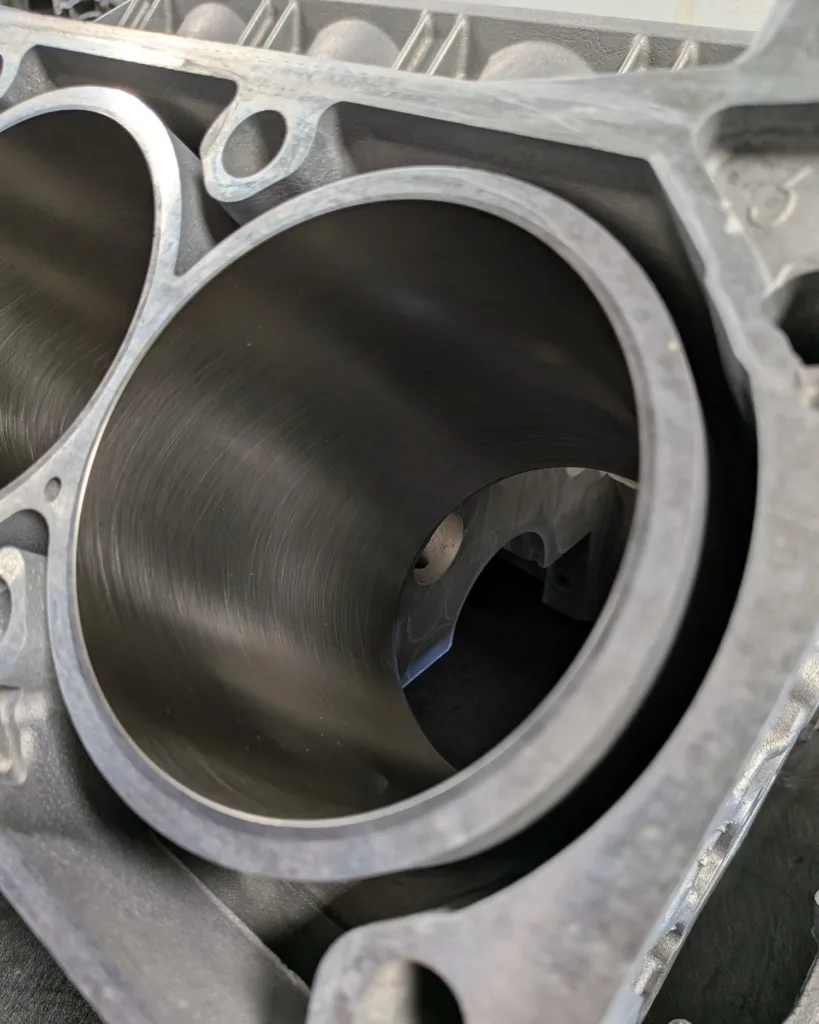
Nickies billet aluminum cylinder sleeves are the foundation of LN Engineering’s M96/M97 cylinder repair strategy. Instead of relying on the original damaged or worn cylinder surface, the original cylinder is machined out and replaced with an engineered aluminum sleeve using a nickel silicon carbide bore surface.
The goal is to correct the cylinder system rather than merely refresh it. Aluminum sleeves avoid the dissimilar expansion and heat transfer compromises associated with cast iron or steel sleeves in an aluminum block. Nickies provides a durable wear surface and are paired with matched pistons and rings.
Use Nickies when:
- The engine has scored bores, D-chunk damage, slipped sleeves, taper, ovality, cracked cylinders, or cylinder wear that makes reuse risky.
- The build requires a displacement increase.
- The engine is being built for long-term reliability rather than a minimal short-term repair.
- A block has suffered cylinder damage but is still a candidate for proper machine repair.
Repairing damaged blocks and parent metal
Blocks with cracked sleeves, slipped sleeves, or damage on the crankcase side of the cylinder should not automatically be written off. LN Engineering can evaluate damaged M96/M97 blocks and determine whether the block remains a candidate for proper repair and Nickies cylinder sleeving.
When the original crankcase parent metal is damaged, LN Engineering can install a repair sleeve to replace the damaged parent metal before the final cylinder solution is completed. This allows many damaged blocks to be recovered when the surrounding structure is suitable for repair.
Related LN Engineering resources: M96/M97 Nickies and cylinder solutions | Single repair sleeve for damaged crankcase parent metal
7. Pistons, Rings, Displacement Options, Deck Height, and Custom Head Gaskets
The piston, ring, cylinder, and head gasket package must be treated as one system. Bore size, cylinder coating, piston material, skirt coating, compression ratio, ring material, deck height, and head gasket thickness all affect the final engine configuration.
Piston options from CP-Carrillo, Wossner, and Mahle Motorsport
LN Engineering can supply piston packages from CP-Carrillo, Wossner, and Mahle Motorsport for M96/M97 Nickies builds. Piston selection should be based on the engine code, bore size, target displacement, intended use, compression ratio, cylinder finish, ring package, and whether the build is intended for street, performance street, track, or forced-induction use. The final piston choice should be matched to the cylinder solution.
Related LN Engineering resources: Porsche Pistons
Popular rebuild and displacement upgrade configurations
The following table summarizes common LN Engineering M96/M97 Nickies rebuild and displacement upgrade paths. These are among the most popular configurations, not the only available options.
| Engine / Application | Popular LN Nickies Part Numbers | Popular Upgrade Path | Bore Size | Notes |
|---|---|---|---|---|
| 3.2L M96 Boxster S | 106.986.20 / 106-986.20.WS / 106-986.20.MM | 3.2L to 3.8L | 101 mm | Available with CP, Wossner, or Mahle Motorsport piston options depending on build requirements. |
| 3.4L M96 996 Carrera | 106.996.20 / 106-996.20.WS / 106-996.20.MM | 3.4L to 3.8L | 101 mm | Popular for 996 Carrera rebuilds where displacement increase and cylinder repair are addressed together. |
| 3.4L M97 987 Cayman S / Boxster S | 106.987.20 / 106-987.20.WS / 106-987.20.MM | 3.4L to 3.8L | 101 mm | Build details depend on engine configuration, case condition, and intended use. |
| 3.6L M96/M97 996/997 Carrera | 106-997.20 / 106-997.20.WS / 106-997.20.MM | 3.6L to 4.0L | 101 mm | Popular upgrade path when paired with the correct pistons, gaskets, rods, and supporting upgrades. |
| 3.8L M97 Carrera S | 106-997.2 / 106-997.2.WS / 106-997.2.MM | 3.8L to 4.0L | 101 mm | Supporting rods, oiling, cooling, and balancing become especially important. |
Other configurations are available, including custom bore, compression, piston, ring, and closed-deck options for specialized applications such as forced induction. Final recommendations should be based on engine code, case condition, cylinder damage, intended use, and supporting component selection.
Ring fitting and light checking
Ring end gaps must be checked and corrected for the ring supplier, ring material, intended use, and application. Rings should be gapped and deburred with the correct tools, then light checked in a mercury gauge or a cylinder for roundness and sealing quality. A tapered sleeve ring compressor should be used during installation to reduce the chance of ring damage.
Deck height and custom head gasket selection
When LN Engineering machines an M96/M97 case for Nickies, case half heights and deck surfaces are measured and evaluated so the appropriate head gasket thickness can be supplied. This is especially important when the block decks have been resurfaced, when the bore size has increased, or when the build uses a displacement upgrade.
LN Engineering offers custom 101 mm head gasket sets for 3.2L, 3.4L, 3.6L, and 3.8L 5-chain or 3-chain engines in 0.032 inch, 0.040 inch, and 0.060 inch thicknesses, sold as a pair. Minimum deck clearance with the compressed head gasket must be verified during mock-up; resurfaced heads may require additional clearance.
Minimum recommendations
- Match pistons and rings to the final cylinder bore size, surface finish, compression target, and intended use.
- Choose the piston manufacturer and ring package based on the build rather than bore size alone.
- Check piston-to-cylinder clearance against the piston build sheet or manufacturer recommendations.
- Gap and deburr piston rings with the proper tool, then light check the rings for roundness.
- Measure case half heights and deck surfaces so the correct custom head gasket thickness can be supplied.
- Verify piston orientation, wrist pin clip installation, valve-to-piston clearance, piston-to-head clearance, deck clearance, and ring orientation before final assembly.
Related LN Engineering resources: M96/M97 Nickies and cylinder solutions | Piston ring end gapping service | Custom 101mm head gasket set | CP-Carrillo pistons and rods | Wossner pistons | Mahle Motorsport pistons
8. M96/M97 Cylinder Head Versions, Valve Sizes, and Known Issues
Cylinder head identification matters because M96/M97 heads differ by valve size, chamber volume, spring package, port configuration, guide-wear pattern, and known failure tendencies. Head selection and reconditioning should be addressed before pistons, compression ratio, camshaft compatibility, porting, or final machine work are finalized.
| Head / Engine | Intake | Exhaust | Chamber | Springs | Known notes |
|---|---|---|---|---|---|
| 2.5 | 33.2 mm | 28.0 mm | 28.5 cc | Single conical | Cracks occasionally in spark plug wells; occasional valve spring; guide wear varies with use and maintenance. |
| 2.7 | 33.2 mm | 28.0 mm | 28.5 cc | Single conical | Similar to 2.5 heads; spark plug well cracks occasionally noted. |
| 3.2 | 37.0 mm | 32.4 mm | 35.0 cc | Single conical | Spark plug well cracks on early heads; can occur in secondary air port on 2003-2006 heads; occasional valve spring. |
| 3.4 996 | 37.0 mm | 32.4 mm | 35.5 cc | Single conical | Spark plug well cracks are common; one observed in combustion chamber; guide wear varies with use and maintenance. |
| 3.4 987 | 40.2 mm | 34.4 mm | 41.0 cc | Dual straight intake / single conical exhaust | Severe intake guide wear and significant exhaust guide wear; occasional dropped intake seat. |
| 3.6 | 40.2 mm | 34.4 mm | 41.0 cc | Dual straight intake / single conical exhaust | Severe intake guide wear and significant exhaust guide wear; occasional dropped intake seat and occasional fretted keeper grooves on track cars. |
| 3.8 | 40.2 mm | 34.4 mm | 42.0 cc | Dual straight intake / single conical exhaust | Severe intake guide wear and significant exhaust guide wear; no observed failures noted in the supplied data. |
| X51 | 40.2 mm extra margin | 34.4 mm | 39.5 cc | Dual straight intake / single conical exhaust | Very heavy intake valve; severe guide wear; occasional dropped intake seat and severely fretted intake keeper grooves. |
General notes from the head data: all valve stems are 6 mm with three keeper grooves, all valve angles are 45 degrees, dual springs are non-interference type, all springs use round wire, retainers are steel, seats showed zero wear characteristics, and the supplied data notes that heads had not been observed warping more than .005 inch.
Related LN Engineering resources: Cylinder head rebuilding
9. Cylinder Head Part Numbers, Crosses, and PET Revisions
If you have a cracked cylinder head, although it may be possible to repair some cracks, we prefer to replace the head with a known good unit that passes pressure testing and hasn’t been subjected to overheating, which would likely result in the head being seriously warped – something that can be easily checked for. Although there is some interchange, it’s best to use the same part number to ensure compatibility, unless you know the differences and what you are getting into.
| Engine Code | PET Part Numbers | Cross References |
|---|---|---|
| M96.01 / M96.02 / M96.04 | 996 104 003 05 1-3; 996 104 004 05 4-6; 996 104 003 04 1-3 (M661); 996 104 004 04 4-6 (M660/661) | 996 104 003; 996 104 004; 987 104 913 |
| M96.03 | 996 104 903 00 1-3; 996 104 909 00 1-3; 996 104 904 00 4-6; 996 104 908 00 4-6 | 996 104 912; 997 104 903 |
| M96.05 >>695 08696 | 996 104 913 00 1-3; 996 104 914 00 4-6 | 996 104 001; 996 104 914 |
| M96.05 >>695 08697 | 987 104 913 00 1-3; 987 104 914 00 4-6 | |
| M97.01 >2005 | 997 104 903 00 1-3; 997 104 904 00 4-6 | 997 104 904; 996 104 933 |
| M97.01 2006> | 997 104 901 00 1-3; 997 104 902 00 4-6 | |
| M96.20 | 996 104 001 09 1-3; 996 104 002 09 4-6 | 996 104 002; 996 104 941 |
| M96.21 | 996 104 921 00 1-3; 996 104 922 00 4-6 | 996 104 922; 996 104 951 |
| M96.22 | 996 104 941 00 1-3; 996 104 942 00 4-6 | 996 104 942; 996 104 931 |
| M96.23 | 996 104 931 00 1-3; 996 104 932 00 4-6 | 996 104 932; 996 104 915 |
| M96.24 | 996 104 951 00 1-3; 996 104 952 00 4-6 | 996 104 952; 996 104 003 |
| M96.25 | 996 104 933 00 1-3; 996 104 934 00 4-6 | 996 104 934; 996 104 953 |
| M96.26 | 996 104 953 00 1-3; 996 104 954 00 4-6 | 996 104 954; 996 104 913 |
| M97.20 | 987 104 915 00 1-3; 987 104 916 00 4-6 | 987 104 916; 996 104 921 |
| M97.21 / M97.22 | 987 104 913 00 1-3; 987 104 914 00 4-6 | 987 104 914; 996 104 909 |
Porsche does offer new cylinder heads, but they do come with a very serious price tag. Best practice is if you have known intermix that you thoroughly inspect the heads before deciding if they are suitable for repair and re-use. We can evaluate your cylinder heads and let you know what your options are.
Related LN Engineering resources: Cylinder head rebuilding
10. IMS
IMS service should include more than choosing the correct bearing. During an engine rebuild, LN Engineering can inspect the intermediate shaft for runout, recondition the IMS, pin the main drive sprocket, and install the appropriate IMS bearing or upgrade while the engine is apart.
The IMS bearing design changed by model year. Early engines used dual-row serviceable bearings, later engines used single-row serviceable bearings, and 2006-2008 engines use a larger non-serviceable bearing that requires engine disassembly for upgrade. Because the intermediate shaft and timing drive affect chain alignment, bearing load, and long-term reliability, the shaft itself should be treated as a serviceable component during a rebuild.
- Identify the engine year and IMS bearing configuration before quoting parts.
- Inspect intermediate shaft runout and correct issues before reassembly.
- Pin the main sprocket where appropriate to reduce the risk of sprocket movement.
- Install the appropriate IMS Retrofit or IMS Solution based on use case; assuming this is your forever car, it makes sense to simply use the IMS Solution over a ball or roller bearing option.
For later model engines starting with the 2006 model year where the factory IMS bearing is not serviceable, our IMS Retrofit and IMS Solution kits include an adapter bushing so that if you did ever need to access the IMS bearing, you don’t need to resort to tearing down the complete engine.
Related LN Engineering resources: IMS bearing guide and FAQ | IMS inspection/reconditioning/pinning service
11. Engine Rebuild Kits and Minimum Rebuild Contents
Engine rebuild kits simplify parts sourcing, but they should not be treated as a substitute for inspection, measurement, machine work, or subsystem upgrades. A kit should supply the commonly replaced gaskets, seals, bearings, hardware, and related components that support the rebuild plan.
A complete M96/M97 long-block baseline should be treated as more than pistons, cylinders, and head gaskets. Typical rebuild contents include internal gaskets and seals, camshaft and sprocket bolts, connecting rod bolts, sensors, main and rod bearings, oil separator, timing chains, timing chain rails, timing chain tensioners, complete 5-chain variocam units (we do not recommend only replacing the solenoids), thermostat, water pump, valve cover bolts, spark plugs, hydraulic lifters, oil cooler, oil filter components, crankcase bolts, cylinder head bolts, and related items.
A rebuild kit reduces parts chasing and helps prevent reuse of worn, aged, or one-time-use components. Pistons, rings, Nickies cylinder work, IMS upgrades, upgraded rods, ARP hardware, coated bearings, and machining services should be selected based on the engine and build scope.
Related LN Engineering resources: Engine rebuild kits
12. ARP Hardware and Fasteners
Fasteners are a critical part of the rebuild. Torque-to-yield hardware and aged factory fasteners should not be reused blindly. Head studs, carrier through-bolts, rod bolts, flywheel bolts, and related hardware should be evaluated and replaced or upgraded where appropriate.
- ARP rod bolts are recommended for all street engine builds when stock rods are reused.
- ARP carrier through-bolts should be strongly considered when the build scope, load, or intended use justifies them. ARP head studs are optional as the factory TTY head bolts are actually pretty robust.
Related LN Engineering resources: M96 ARP hardware and fasteners
13. Connecting Rods and Rod Bolts
The factory cracked-cap connecting rods and original rod bolts were not designed around every future use case: larger displacement, repeated high-rpm operation, higher output, or track events. Rod selection should be matched to piston weight, rpm range, intended use, balancing strategy, and customer expectations.
ARP rod bolts are recommended for all stock engine builds. For larger-displacement and track builds, upgraded connecting rods are a must.
Related LN Engineering resources: Water-cooled Porsche parts and upgrades | BRS engine upgrades
14. Coated Bearings
Rod and main bearings operate in hydrodynamic and boundary lubrication regimes. Startup, break-in, high-load operation, oil starvation events, fuel dilution, coolant contamination, and track use all increase bearing risk. Coated bearings add an additional layer of protection during startup, break-in, high-load operation, and boundary lubrication conditions.
Coated and treated bearing options should not be used as a substitute for correct clearance measurement, clean oil passages, proper oil system priming, correct oil viscosity, or proper oiling upgrades. They are part of a complete bearing strategy, not a cure for poor assembly or oil starvation.
Related LN Engineering resources: M96/M97 coated bearings
15. Oil System Upgrades
The M96/M97 is often described as an integrated dry-sump engine, but it should not be treated like a GT3, Turbo, or GT2 Mezger dry-sump system. Under high-G cornering, braking, or track use, oil can accumulate in the heads and the sump can uncover or aerate oil, reducing pressure and bearing protection.
For street cars, oil level control, correct oil fill procedure, a magnetic drain plug, oil filter inspection, and a 0.5-quart deep sump are practical reliability improvements. For cars that may see track use, a 2-quart deep sump, oil pan baffling, proper oil returns, high-flow filtration, track-specific oil, and oil temperature monitoring should be considered part of the required plan.
If the car may see even one day of track use, the rebuild should be planned as a track-capable package, not a basic street refresh.
Related LN Engineering resources: BRS engine upgrades | Magnetic drain plugs
16. AOS, Crankcase Vacuum, and Fuel Trim Control
The air-oil separator is not just an emissions device. On M96/M97 engines, AOS condition affects crankcase vacuum, oil consumption, smoke, intake contamination, fuel trims, oxygen sensor readings, catalytic converter life, ring seal, and break-in success. A failed or marginal AOS can create symptoms that look like other problems, and it can damage a fresh engine if it contributes to over-enrichment, vacuum leaks, or oil ingestion.
AOS condition should be verified by measuring crankcase vacuum with a manometer, not by guessing. For M96/M97 engines, nominal crankcase vacuum is typically around -4 to -6 inches of water. Excessively high vacuum can indicate AOS failure; low or abnormal values can point to vacuum leaks, cracked tubes, dipstick tube problems, oil cap issues, or other crankcase ventilation faults.
AOS-related rebuild and installation checks
- Replace brittle or aged AOS tubes, oil fill tubes, dipstick tubes, vent hoses, and related plastic/rubber components.
- Smoke-test the intake and crankcase ventilation system for vacuum leaks.
- Record manometer readings after installation and again during early service intervals.
- Replace O2 sensors and contaminated exhaust components when prior engine failure involved intermix, heavy oil ingestion, or severe oil consumption.
- For track use, consider a Motorsports AOS, UAOS, or upgraded crankcase ventilation strategy where appropriate.
Related LN Engineering resources: AOS products and resources
17. Cooling, Radiators, Water Pump, and Temperature Control
Cooling capacity and coolant system service are part of the rebuild environment. A low-temperature thermostat can help the cooling system begin regulating earlier, but it is not a stand-alone solution for bore scoring or oil temperature control. Radiator condition, debris, ducting, cooling fan function, water pump condition, coolant fill method, and oil temperature all affect reliability.
- Remove the front bumper and clean debris from radiators before releasing the car.
- Verify radiator ducting and both cooling fan speeds.
- Use an air-lift or vacuum-fill tool to charge the coolant system and remove air pockets.
- Replace a cracked or aged coolant expansion tank, coolant cap, bleeder valve, and compromised hoses.
- Replace the water pump with a quality Genuine Porsche or similar water pump with a composite impeller – no steel impellers!
- Consider CSF radiators and third-radiator upgrades when the intended use justifies added cooling capacity.
Related LN Engineering resources: Cooling upgrades | CSF Porsche radiators
18. RMS, Flywheel, Clutch, and Transmission-Side Service
When the engine and transmission are separated, the rear main seal, flywheel, clutch, pressure plate, release bearing, and related hardware should be evaluated. This is the right time to address leak-prone areas and transmission-side service items that are difficult to reach later. This includes using the 9699-1 Crankshaft Go No Go Gauge Rear Main Seal Housing Bore Inspection Tool to inspect the block to ensure it wasn’t mis-machined at the factory, which is the leading reason for chronic RMS leaks.
The updated PTFE/Teflon RMS should be installed using the proper tool and procedure. Take care not to touch the seal with your fingers and under no circumstances should you lubricate the seal. Flywheel bolts, pressure plate bolts, and torque-converter/flex-plate fasteners where applicable should be replaced with correct fasteners and torqued to specification. Dual-mass flywheel condition should be checked carefully; excessive deflection, noise, or misfire symptoms can justify replacement. Avoid single-mass or lightweight flywheels where they are not appropriate for the build or installation requirements.
Related LN Engineering resources: RMS products and tools
19. Billet, FSI, and Internal Reliability Upgrades
LN Engineering now offers select Flat 6 Innovations-developed M96/M97 upgrades that were previously available only as part of FSI engine builds. These proven upgrades help address known weaknesses while improving durability, performance, and long-term reliability.
Examples include billet IMS-to-crankshaft tensioner paddles, chromoly oil pump hex drives, underdrive pulleys, billet oil filter housings, alternator mounts, coolant plates, oiling components, and other parts that replace known wear or failure-prone factory components.
Related LN Engineering resources: Flat 6 Innovations upgrades | BRS engine upgrades | Billet IMS-to-crankshaft tensioner paddle | Chromoly oil pump hex drive
20. Airflow and Intake Upgrades, Including IPD Plenums
Airflow upgrades are not minimum rebuild requirements, but they matter for performance builds. An engine that has more displacement, better cylinder sealing, correct cam timing, proper exhaust flow, and a stable tune can benefit from improved intake airflow.
IPD intake plenums allow larger GT3 throttle bodies to be fitted when using the appropriate Competition plenum. The better the engine breathes, the more power it can make, provided airflow upgrades are matched with the correct supporting components and tuning strategy.
Related LN Engineering resources: IPD intake plenums
21. Machine Shop and Build-Prep Services
A proper rebuild requires measurement and preparation, not just parts. LN Engineering can support the tedious, high-detail work that shops and DIY builders may not want to coordinate across multiple vendors.
- Cylinder sleeving, cylinder repair, block machining, and deck resurfacing.
- Cylinder head inspection, pressure checking, reconditioning, resurfacing, and CNC machining when applicable.
- Piston ring end-gap setup and deburring.
- Ring light checking and ring tension measurement.
- Piston and rod balancing.
- Dynamic engine balancing.
- Crankshaft magnaflux inspection, cleaning, documentation, and journal polishing.
- Case half machining for sealant grooves in leak-prone areas.
- Vapor blasting and exterior cleaning services.
- Engine blueprinting and measurement support
We make it simple. Box it all up and secure it to a pallet. We can even arrange freight. We will take care of the rest.
Related LN Engineering resources: Machine shop services | Cylinder head rebuilding | Crankshaft journal polishing | Crankshaft magnaflux inspection | Static balancing service | Dynamic balancing service | Engine block vapor blasting | Case half sealant groove machining
22. Parts That Should Not Be Reused on a Fresh M96/M97 Engine
Many new-engine and rebuilt-engine failures are caused by reused ancillary parts, old fuel, contaminated exhaust systems, vacuum leaks, bad injectors, defective sensors, or improper installation procedures. A fresh engine should not be placed back into service with components that can immediately compromise fuel control, oil control, cooling, or ring seal.
- Fuel injectors. New injectors are strongly preferred; cleaned or original injectors carry risk, especially after cylinder failure or fuel wash-down.
- Fuel filter where serviceable, plus 100% removal of fuel older than 30 days.
- MAF sensor, O2 sensors, knock sensors, oil temperature sensor, coolant temperature sensor, and other critical sensors as needed.
- AOS, AOS vent tube, oil fill tube, dipstick tube, oil cap, fuel cap, coolant cap, coolant tank, and aging plastic/rubber components.
- Water pump and thermostat.
- Catalytic converters and O2 sensors when the prior engine suffered intermix, oil ingestion, or heavy oil consumption.
- Spark plugs, coil packs when cracked or weak, and worn ignition components.
The key principle is simple: a new or freshly rebuilt engine can be damaged quickly by a used component that causes rich running, lean running, vacuum leaks, fuel dilution, overheating, coolant contamination, or oil overfill.
23. Installation Requirements: Fuel, Sensors, Intake, Cooling, and ECU Reset
A properly rebuilt M96/M97 engine can still fail if installation procedures are poor. Installation should be treated as a controlled process with documentation, not as a simple engine swap.
- Clean all ancillary components thoroughly, especially the inside of the intake manifold.
- Keep intake ports covered until the intake manifold is installed; foreign object debris can destroy the engine.
- Drain old fuel and refill with fresh premium Top Tier or ethanol-free high-octane fuel.
- Replace fuel injectors and verify fuel pressure and fuel filter condition where applicable.
- Smoke-test the intake system and verify there are no vacuum leaks.
- Use an air-lift/vacuum-fill tool to fill the cooling system and verify it holds vacuum before filling.
- Perform vehicle handover/system reset and clear old DME adaptations before first start.
- Record fuel trims, MAF readings, O2 sensor data, manometer readings, and over-rev data after installation.
- Do not use unauthorized cold-air intakes, solid mounts, single-mass flywheels, aftermarket software, or unapproved exhaust changes during fresh-engine break-in.
The ECU does not know the engine has been replaced. Old adaptive values from a failed engine, bad AOS, bad MAF, or rich-running condition can be applied to the fresh engine unless reset and verified.
24. Break-In, Oil Selection, and the First 7,500 Miles
Break-in is part of the rebuild. The first start, first 30 minutes, first drive, 1,000-mile service, 5,000-mile service, and first 7,500 miles can determine whether the rings seat correctly and whether the engine develops proper oil control and long-term performance.
- Use the specified conventional, non-friction-modified break-in oil for initial startup and break-in. Do not use synthetic oil during initial break-in.
- Do not exceed 210F oil temperature when using break-in oil.
- Prime the oil system using the recommended start/stop procedure rather than extended cranking.
- Avoid idling during initial run-in. Run the engine at the specified fast idle or procedure and shut down immediately if a leak or issue is found.
- Use repeated acceleration and engine braking after proper warm-up to help seat rings. It is best if you do this over several days and multiple heat cycles.
- Avoid short trips, repeated cold starts, long steady highway trips, cruise control, lugging, and overfilling oil during break-in and intermediate periods.
- Do not use semi-synthetic, full synthetic, friction-modified oils, or oil additives until the engine has completed the recommended intermediate period.
- Do not track the engine on break-in or intermediate oil. Track use should not begin until the engine is fully broken in and has the required oiling and cooling support.
| Milestone | Oil / Service | Notes |
|---|---|---|
| Initial run-in | Break-in oil for initial run-in, then drain and change filter | Record oil pressure behavior and inspect for leaks. |
| 1,000 miles | Intermediate conventional oil and filter change | Inspect oil filter and magnetic drain plug; record fuel trims and manometer readings. |
| 5,000 miles | Intermediate conventional oil and filter change | Inspect filter and drain plug again; continue documentation. |
| 7,500+ miles | Transition to approved street oil where appropriate | Only after proper break-in and ring seating; severe duty requires shorter intervals. |
| Track use | Race oil only for track events | Change out race oil after the event; race oil is not a long-term street/storage oil. |
Related LN Engineering resources: Engine oil quick reference
25. Minimum Street Rebuild Checklist
The following table defines a practical minimum street rebuild baseline. The exact package must still be determined by engine code, failure mode, mileage, intended use, measurements, and customer goals.
| Subsystem | Minimum Street Rebuild Recommendation |
|---|---|
| Cylinder system | Nickies or appropriate cylinder repair; measured bore condition; correct bore size and finish. |
| Pistons/rings | Matched piston and ring package; ring end-gap setup; ring light checking. |
| Head gaskets/deck | Correct custom head gaskets where bore size or deck height has changed. |
| IMS | Correct IMS upgrade or IMS Solution plus intermediate shaft inspection. |
| Rods | ARP rod bolts recommended when reusing stock rods. |
| Bearings | Coated rod and main bearings recommended when replacing bearings. |
| Hardware | Replace one-time-use and critical fasteners; consider ARP based on scope. |
| Oil system | Inspect oil system; magnetic drain plug; proper oil fill procedure; consider 0.5-quart deep sump. |
| Cooling | Low-temperature thermostat; water pump; coolant tank/cap; radiator cleaning; fan function verified. |
| AOS | AOS, vent tubes, oil fill tubes, dipstick tubes, and crankcase vacuum verified or replaced as needed. |
| RMS/clutch side | RMS, flywheel, clutch, pressure plate, release bearing, and fasteners inspected or replaced as appropriate. |
| Heads | Pressure check, recondition, inspect guides/seats, resurface as required. |
| Ancillaries | Fuel injectors, MAF, O2 sensors where applicable, knock sensors, caps, hoses, and tubes evaluated or replaced. |
| Break-in | Non-synthetic break-in and intermediate oil strategy; fuel trims and manometer readings documented. |
26. Track-Capable Rebuild Checklist
If the car may see even one day of track use, the rebuild should be planned as a track-capable package. Track use increases oil temperature, oil starvation risk, bearing load, rod load, cooling demand, AOS load, and fuel-control sensitivity.
| Subsystem | Track-Capable Requirement / Recommendation |
|---|---|
| Connecting rods | Upgraded rods are a must for track builds, larger-displacement builds, and higher-output applications. |
| Oiling | 2-quart deep sump, baffling, appropriate oil returns, high-flow filter, race oil strategy, and oil temperature monitoring. |
| Bearings | Coated rod/main bearings strongly recommended. |
| Hardware | ARP hardware strongly recommended based on build scope, including rod bolts, head studs, and carrier through-bolts where appropriate. |
| IMS | IMS inspection, reconditioning, sprocket pinning, and appropriate bearing/IMS upgrade. |
| Cooling | Low-temperature thermostat, radiator cleaning, fan checks, ducting verification, third radiator or CSF radiators where appropriate. |
| AOS | Motorsports AOS or upgraded crankcase ventilation strategy where use warrants it. |
| Balancing | Static and dynamic balancing strongly recommended. |
| Oil | Track-specific race oil during track events; no track use on break-in or intermediate oils. |
| Installation | Fuel trims, manometer readings, MAF/O2 data, and coolant fill integrity verified before release. |
27. Core Return, Block Shipping, and Documentation
When shipping a core engine, block, or major component, the shipment should be documented and prepared carefully. Damage in transit can create avoidable delays and may turn a repairable block into an unusable core. LN Engineering provides block and cylinder shipping instructions, custom shipping box options, and prepaid shipping options to help make the process safer and easier.
Block and component shipping essentials
- Drain all fluids before shipment.
- Cap or cover all open ports to prevent debris entry and fluid leakage.
- Protect machined surfaces and sealing surfaces from impact, abrasion, and contamination.
- Use a proper crate, pallet, or LN Engineering custom block shipping box with foam inserts when appropriate.
- Shrink wrap and secure the shipment so the block or engine cannot shift in transit.
- Photograph the block or engine before shipping, including the bottom and pallet or box interface where forklift damage can occur.
- Insure the shipment for an amount sufficient to cover replacement if lost or damaged.
- Include required paperwork, customer information, vehicle information, and documentation requested by LN Engineering.
- Contact LN Engineering for help arranging shipping or using prepaid shipping options when needed.
Custom block shipping boxes
LN Engineering offers an M96/M97/9A1 engine block shipping box with custom foam inserts to help protect Porsche engine blocks during shipment for the Nickies cylinder sleeving process. The custom box is intended to reduce shipping risk compared with improvised packaging and can be paired with LN Engineering shipping instructions and prepaid shipping options where available.
Blocks and any other engine components should be insured for their full replacement cost. We recommend using current costs from Porsche for insurance valuation.
Related LN Engineering resources: Engine block and cylinder shipping instructions | M96/M97/9A1 engine block shipping box with custom foam inserts
28. Additional Technical Reading from Flat 6 Innovations
Regardless of who you have rebuild your engine, Flat 6 Innovations has provided some excellent information that all Porsche owners who are in the market for a Porsche engine rebuild should read and watch.
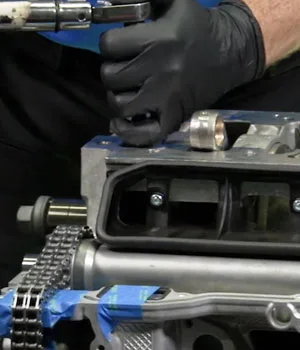
Definition of a Rebuilt Porsche Engine

Who Should Rebuild My Engine?
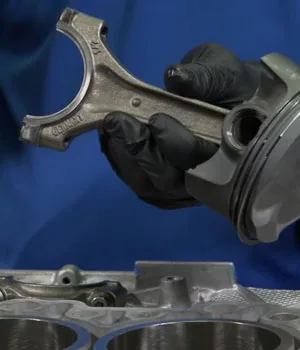
What Parts
Are Required?
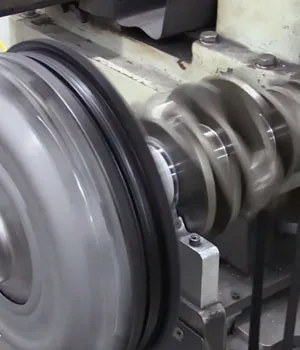
What Processes Should Be Carried Out?
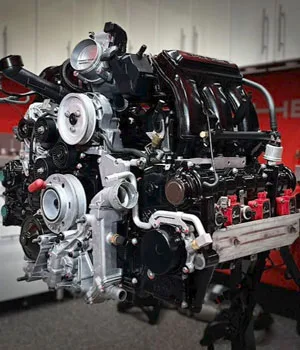
Are All Rebuilt Engines Created Equally?
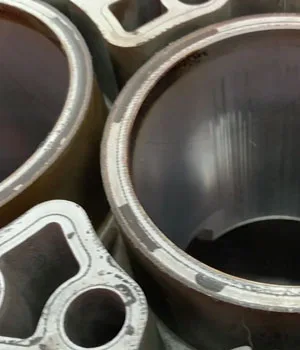
What Are My Cylinder Repair Options?
We know that a Porsche engine rebuild is a huge expense. Ultimately our goal is to make sure Porsche owners are educated on this subject so you can readily understand what you are paying and know the right questions to ask of an engine builder. Let’s get it done right the first time.
29. How to Start an M96/M97 Rebuild with LN Engineering
Planning an M96/M97 rebuild? Start with the engine code, failure mode, intended use, and what has already been measured. LN Engineering can help define the correct cylinder solution, piston and ring package, head gaskets, IMS , hardware, bearings, oiling upgrades, AOS, cooling upgrades, machine work, and build-prep services.
Do it once. Do it better. Complete the M96/M97 engine package while everything is already apart.
Contact LN Engineering before ordering parts or sending machine work elsewhere. One engine. One program. One Porsche-focused source.
Related LN Engineering resources: M96/M97 Nickies and cylinder solutions | Water-cooled Porsche parts and upgrades | Machine shop services
| Image | SKU | Name | Price | Buy: | Stock | hf:tax:product_cat | hf:tax:vehicle-fitment |
|---|